El Prado: A Masterpiece of Art and History
El Prado: A Masterpiece of Art and Architecture
Nestled in the heart of Madrid, Spain, El Prado is one of the world’s most renowned art museums, showcasing an unparalleled collection of masterpieces that span centuries and continents. With over 35,000 works, including iconic paintings, sculptures, and decorative arts, El Prado is a testament to the ingenuity and creativity of humanity.
A Majestic Facade
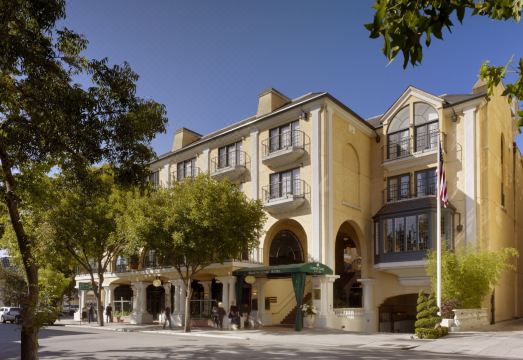
The museum’s grand facade, a neoclassical masterpiece, is as awe-inspiring as the treasures it houses. Designed by the renowned architect Juan de Villanueva, the building’s colossal columns and symmetrical lines create a sense of grandeur and elegance. The facade is adorned with an array of sculptures and reliefs, depicting scenes from Greek mythology and the history of art.
A Journey Through Art History
Upon entering El Prado’s hallowed halls, visitors are transported on a captivating journey through the annals of art history. The collection encompasses works from the medieval period to the 20th century, including masterpieces from some of the greatest artists in history.
Renaissance Masterpieces:
The Renaissance section showcases a dazzling array of masterpieces, including paintings by Botticelli, Raphael, and Titian. Botticelli’s iconic “Birth of Venus” captures the ethereal beauty of the goddess as she emerges from the sea. Raphael’s “Alba Madonna” exudes a sense of serenity and grace, while Titian’s “Danaë” depicts the mythological princess in all her sensual glory.
Spanish Golden Age:
El Prado is renowned for its unparalleled collection of Spanish Golden Age paintings. Works by El Greco, Velázquez, and Goya offer a glimpse into the vibrant and turbulent history of Spain. El Greco’s “The Burial of Count Orgaz” is a haunting and enigmatic masterpiece that combines realism with spiritual symbolism. Velázquez’s “Las Meninas” is a complex and enigmatic painting that provides insights into the court of King Philip IV. Goya’s “Third of May 1808” captures the horrors of war with poignant and brutal realism.
19th and 20th Century Art:
In addition to its Old Masters, El Prado houses a significant collection of 19th and 20th century art. Works by Manet, Van Gogh, and Picasso represent some of the most important artistic movements in history. Manet’s “Olympia” scandalized the public with its bold depiction of a nude woman. Van Gogh’s “Self-Portrait” reveals the artist’s inner turmoil and brilliance. Picasso’s “Guernica” is a powerful and harrowing depiction of the horrors of war.
Beyond the Paintings
While El Prado is primarily known for its paintings, it also houses a remarkable collection of sculptures, decorative arts, and prints. The sculpture collection includes works by classical Greek and Roman artists, as well as masterpieces from the Renaissance and Baroque periods. The decorative arts collection includes furniture, tapestries, and ceramics, showcasing the exquisite craftsmanship of past centuries. The print collection houses over 5,000 works, providing a comprehensive overview of the history of printmaking.
A Place of Learning and Inspiration
El Prado is not only a museum but also a center for learning and inspiration. The museum offers a wide range of educational programs, lectures, and workshops, making art accessible to people of all ages and backgrounds. The museum’s research library is a treasure trove of information for scholars and enthusiasts alike.
A Cultural Gem
El Prado is more than just a museum; it is a cultural gem that has shaped the artistic legacy of Spain and the world. Its vast and diverse collection, coupled with its stunning architecture, makes it a must-visit destination for anyone who appreciates the beauty and power of art. As you wander through its hallowed halls, you will not only behold the masterpieces of the past but also gain a deeper understanding of the human spirit and the enduring power of creativity.
👉 El Prado
Leave a Reply